14 Types of Heels Every Woman Should Know
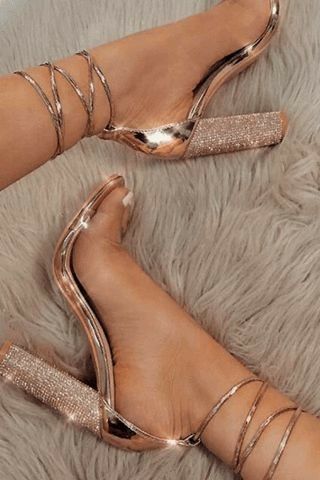
Heels are one of the most versatile pieces in a wardrobe: the right pair can sharpen a tailored outfit, soften a denim look or carry a dress from desk to dinner. The trick is knowing the 14 main heel types, what each one does for a silhouette and where it actually works. This is an evergreen guide, not a season-by-season trend report.
The 14 Types of Heels at a Glance
- Stiletto — a thin, high heel that lengthens the leg.
- Kitten heel — a short, slim heel that stays comfortable for hours.
- Block heel — a wide, stable heel that distributes weight.
- Wedge — a solid sole that rises from toe to heel.
- Mule — a backless shoe, usually slipped on.
- Slingback — a shoe held by a strap around the heel.
- Ankle-strap — a strap that fastens around the ankle.
- D’Orsay — a pump with cut-away sides.
- T-strap — a strap that meets a toe strap in a T shape.
- Platform — a raised sole under the front of the foot.
- Cone heel — a heel that widens towards the floor.
- Spool heel — a sculpted heel that narrows in the middle.
- Comma heel — a curved heel shaped like a comma.
- Heeled boot — a boot built on any of the heels above.
Stiletto Heels
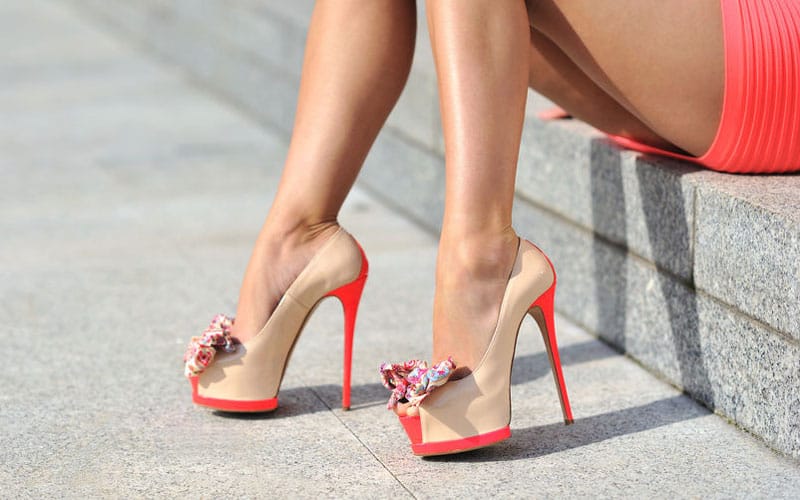
The stiletto is the classic high, thin heel: formal, leg-lengthening and best in small doses. It works with tailored trousers, pencil skirts and evening dresses, and it is the obvious choice for black tie or cocktail dressing.
Wear it with: a midi dress and a structured bag for a wedding, or straight-leg jeans and a blazer for a dinner.
Kitten Heels

A kitten heel is short, slim and far more wearable than it looks. It gives a lift without the pitch of a stiletto, which makes it a good option for long days, office dressing and anyone who wants polish without pain.
Wear it with: cropped trousers and a knit for work, or a slip dress when you want a softer evening look.
Block Heels

The block heel is the most practical heel you can own. The wide heel spreads your weight, so it works on grass, cobblestones and long wedding days. It can look chunky or refined depending on the upper.
Wear it with: a midi skirt and knit, wide-leg trousers, or a wedding guest dress when the venue is outdoors.
Wedge Heels

A wedge has a solid sole that rises from the toe to the heel, which makes it more stable than a stiletto and easier to walk in. It is a summer staple, especially in espadrille or cork finishes.
Wear it with: a maxi dress, cropped jeans and a linen shirt, or a beach wedding outfit.
Mule Heels
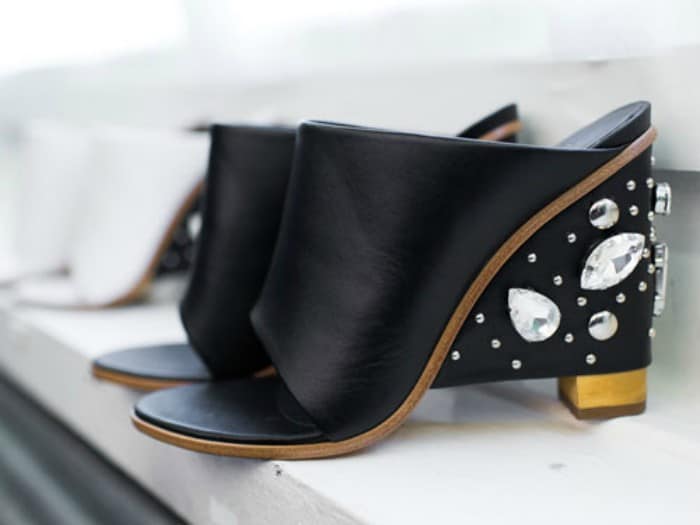
Mules are backless shoes you slip on, usually with a closed toe and an open heel. They look effortless with tailoring and add a little edge to denim, and a heeled mule is an easy way to dress up without wearing a pump.
Wear it with: wide-leg trousers, a midi skirt, or straight jeans and a blazer.
Slingback Heels
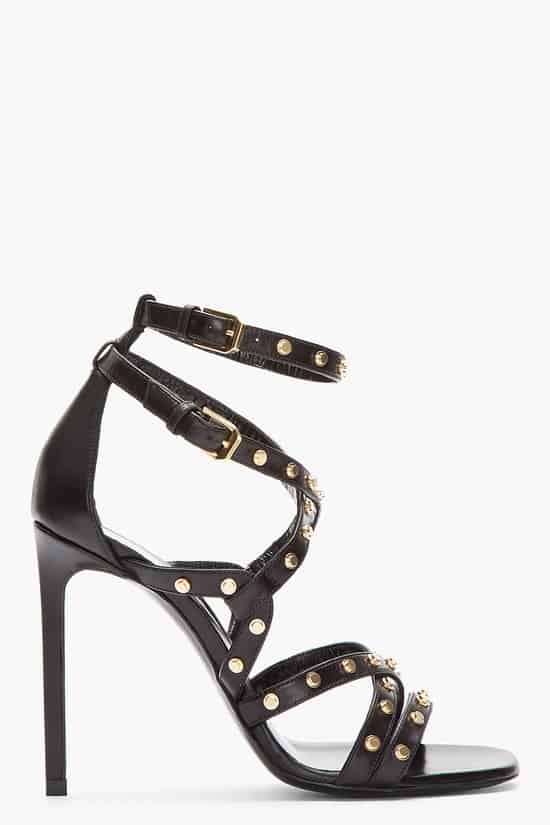
A slingback is held on by a strap around the back of the heel, which makes it more secure than a mule and more forgiving than a closed pump. It is a good choice if you want an elegant shoe that will not slip off mid-event.
Wear it with: tailored trousers, a pencil skirt, or a cocktail dress when you want a lighter alternative to a stiletto.
How to Choose the Right Heel
Start with the ground you will be standing on: block heels and wedges for grass, sand and cobblestones; stilettos for indoor formal events. Then match the heel to the outfit’s formality, and finally to how long you need to be on your feet. The best heel is the one you forget you are wearing.
